

History & Heritage
Suffolk’s rich history is on full display through its impressive array of castles, museums, and captivating historical buildings – all of which are ripe for exploration.
Home to no less than five impressive castles and numerous historic sites, this joyous county offers ample opportunity to immerse yourself in its stories of the past.
We’ve highlighted just a few of our favourite places of interest in Suffolk that you might want to visit during your stay. Many of these attractions operate on a seasonal schedule, so do check their websites before you travel to ensure they’ll be open during your holiday.
Looking to discover further places of interest during your holiday to the Suffolk Coast? Read our Suffolk Journal for the latest articles about the local area.
Southwold
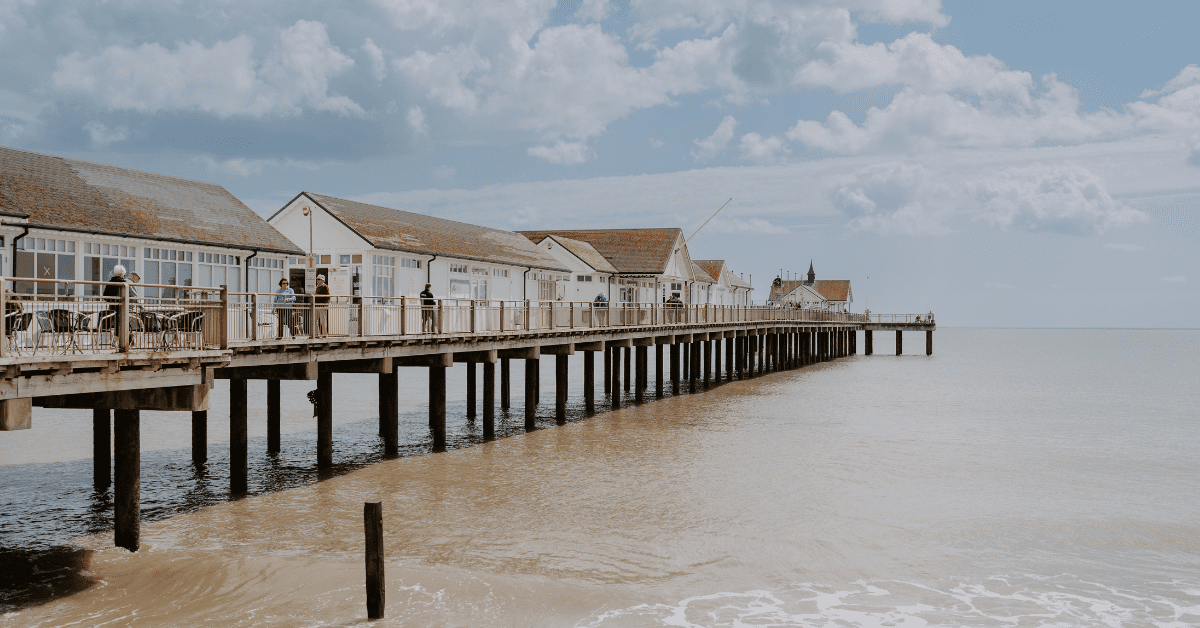
Southwold Pier
Southwold Pier, a beloved 623-foot-long landmark, invites visitors to experience Suffolk’s quintessential British seaside charm year-round. Rebuilt in the 1990s, this iconic attraction caters to all ages with its delicious dining options, excellent shopping, and breathtaking views of the North Sea. From savouring local cuisine to indulging in classic seaside entertainment, Southwold Pier offers a delightful day out for the whole family.
Southwold
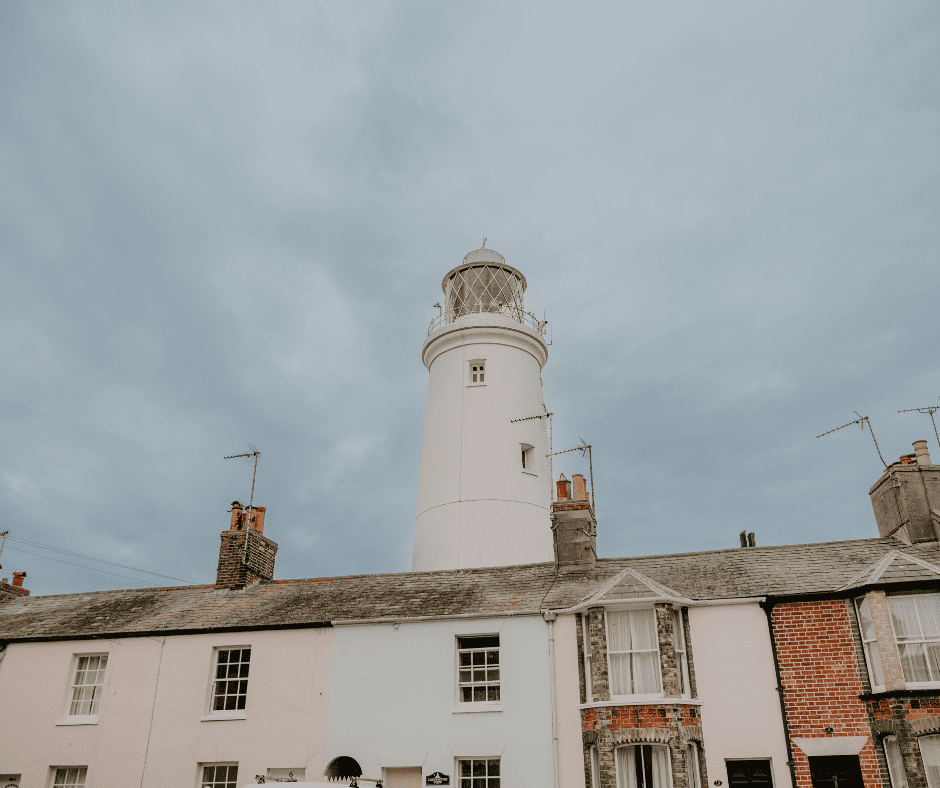
Southwold Lighthouse
The iconic Southwold Lighthouse, built in 1887 by Trinity House to guide ships into the harbour, is the town’s most recognisable landmark. Now operated by Adnams Brewery, visitors can tour the lighthouse, climbing the 113 steps to the top and taking in panoramic views of Southwold.
Southwold
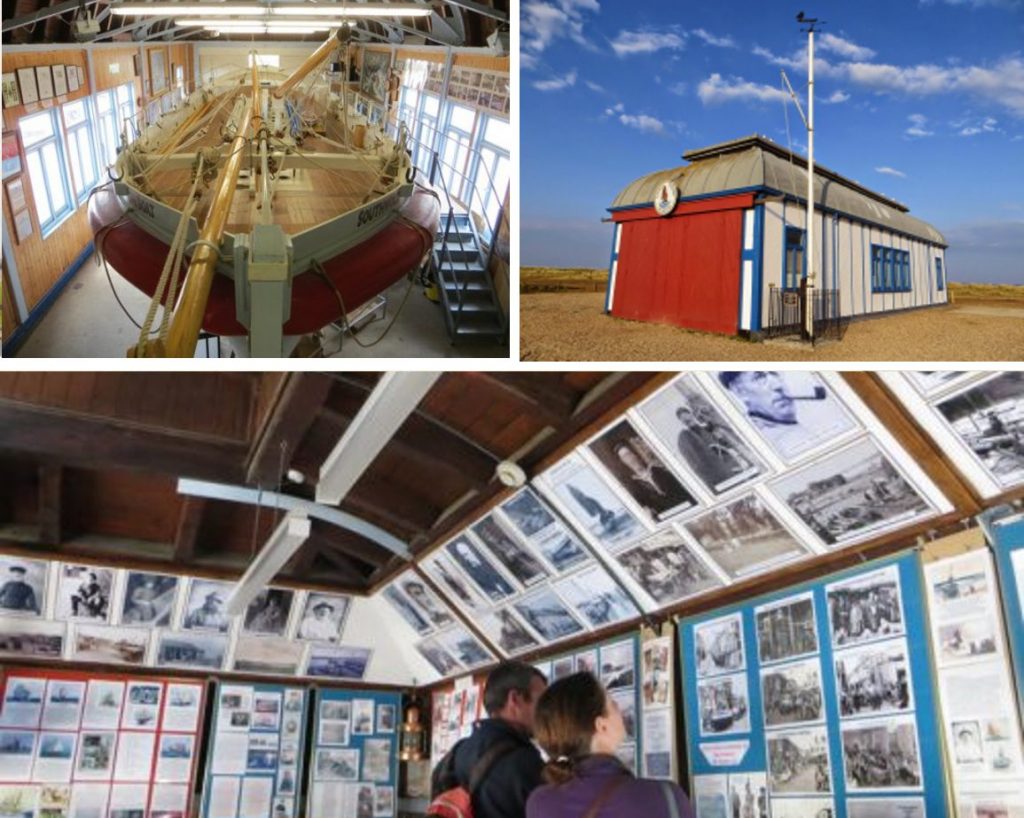
Alfred Corry Museum
Southwold’s first lifeboat, the ‘Alfred Corry’, served the town from 1893 to 1918 before being sold and repurposed. Run by volunteers, the museum can be found next to Southwold’s Harbour car park and displays a collection of local historical items, including extensive photographs chronicling the ‘Alfred Corry’ lifeboat, its crew, and the lives it saved. The museum also features a large section on Southwold’s fishing and maritime history over the centuries.
Southwold
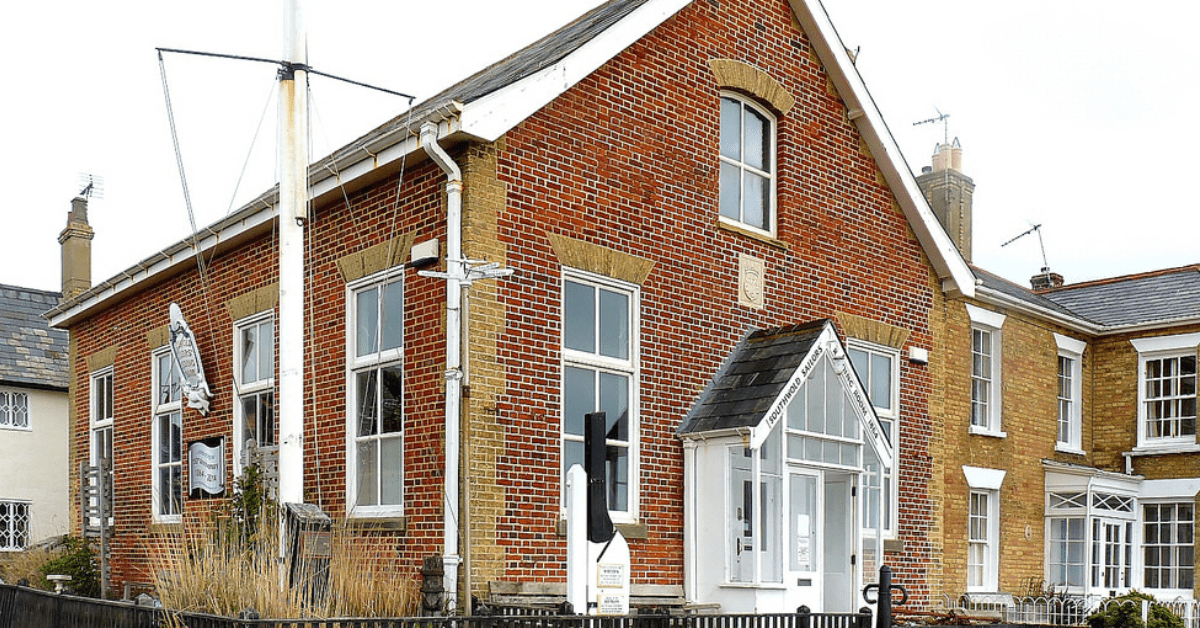
The Sailors Reading Room
The Southwold Sailors’ Reading Room was built in 1864 as a refuge for local fishermen and mariners. It aimed to provide them a place to gather when not at sea. Today the reading room’s walls and glass cabinets showcase a fascinating maritime history of Southwold. Its displays feature pictures and portraits of local fishermen, seascapes, model ships, and other nautical paraphernalia.
Southwold
Southwold Museum
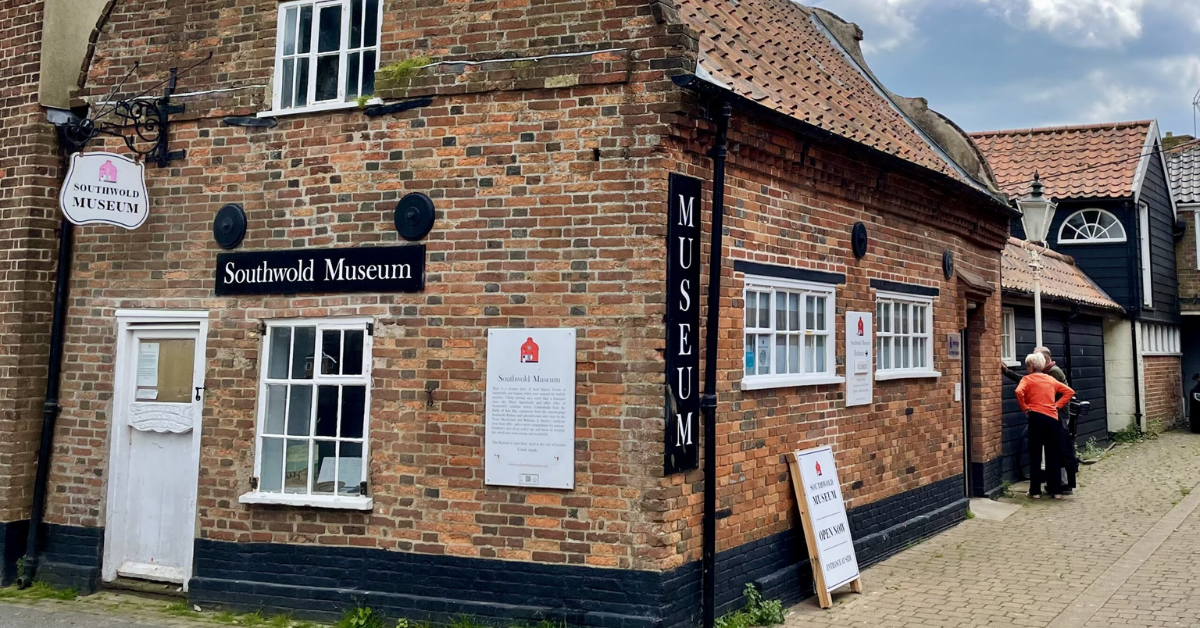
Southwold’s unique cottage museum is dedicated to the local and natural history of this corner of Suffolk. Owned and managed by the Southwold Museum & Historical Society, this tiny building houses an astonishing collection of objects, paintings, photographs, models and wildlife exhibits. The Museum won a Special Award in 2015 for its family-friendly displays, and the award of Suffolk Museum of the Year in 2016. It is now recognised as one of the most exciting small museums in Britain.
Southwold
East Anglia Transport Museum
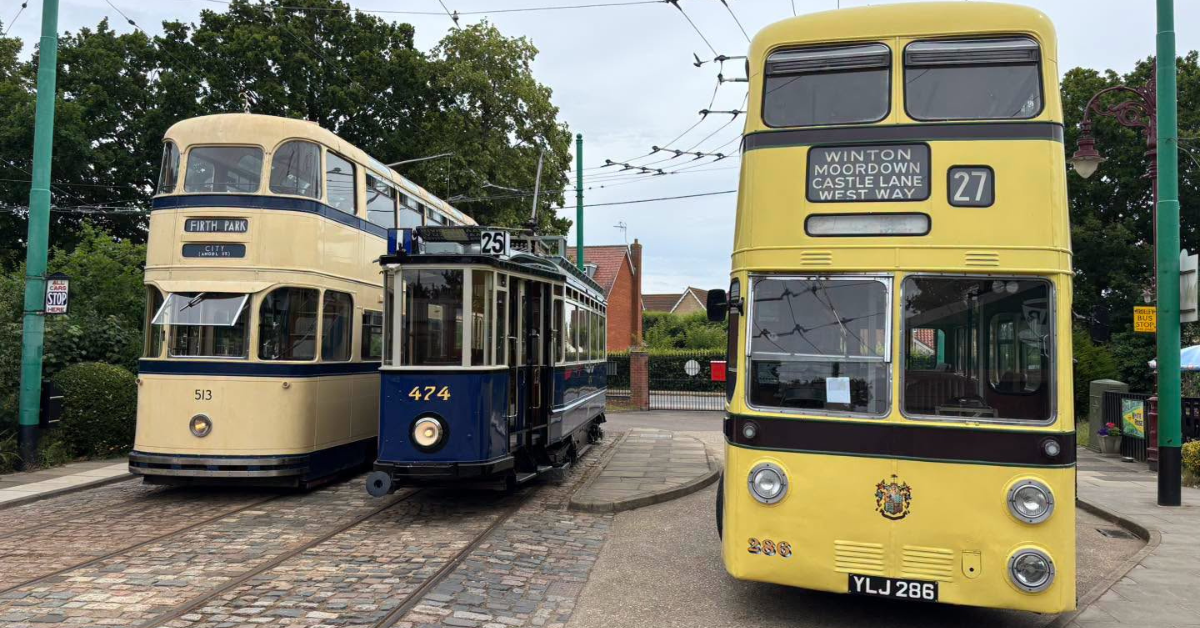
This charming museum is tucked away in the suburbs of Carlton Colville. Explore unique exhibitions, immerse yourself in an authentic Edwardian street scene, and see the extensive collection of cars and motorbikes. Ride on original, restored trams, trolleybuses and even a narrow-gauge railway.
Framlingham
Framlingham Castle
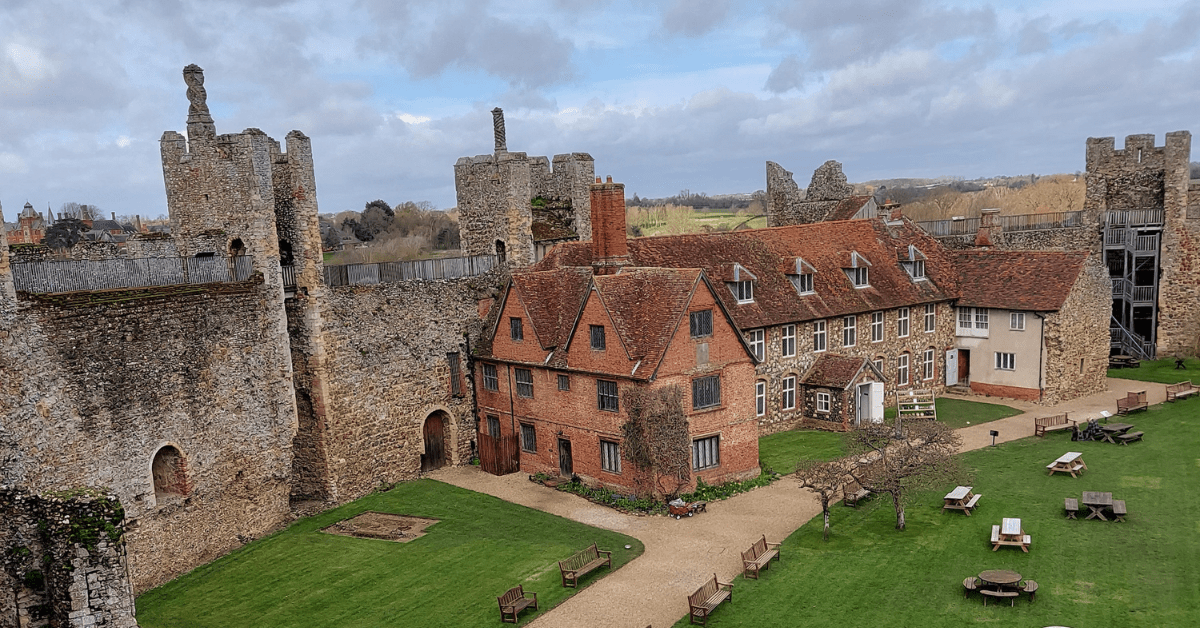
Perched atop the rolling hills of Framlingham, a charming market town in the heart of Suffolk, stands the magnificent Framlingham Castle – an English Heritage site that inspired Ed Sheeran’s hit song “Castle on the Hill.” This 12th century fortress is renowned as the place where Mary Tudor was proclaimed Queen of England. Visitors can walk the castle’s circumference along the impressive wall walk, taking in the breathtaking countryside views.
Orford
Orford Castle
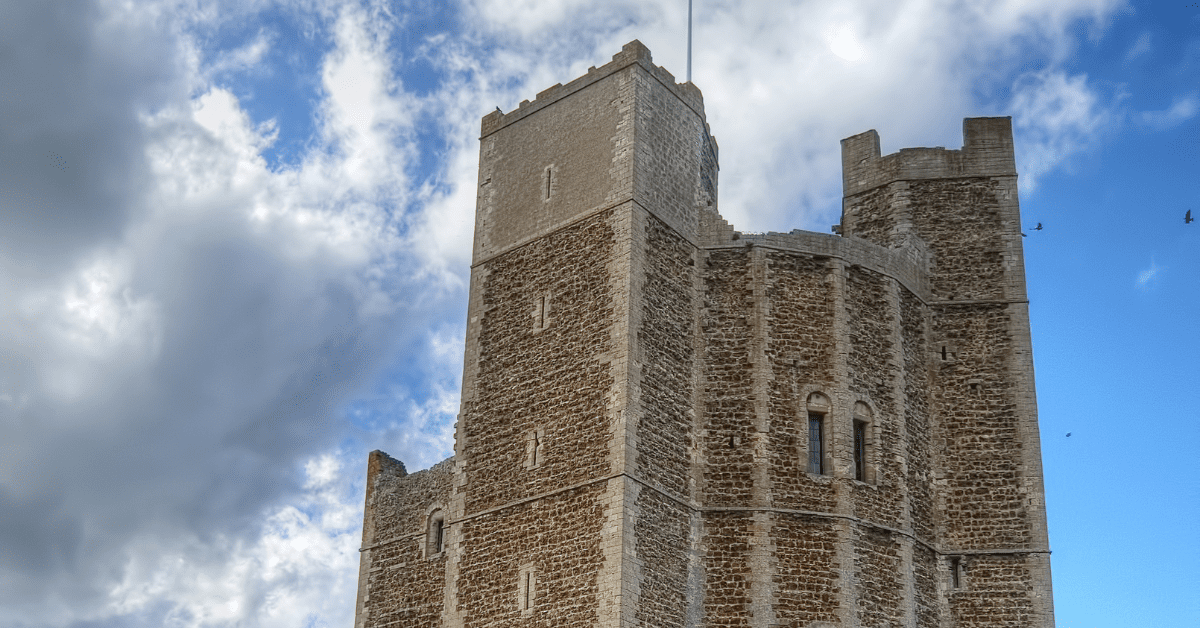
Orford Castle, constructed between 1165 and 1173 under the direction of Henry II, is one of the most well-preserved castles in England. Now managed by English Heritage, the castle invites visitors to explore its impressive interior, from the basement level through the lower and upper halls, with magnificent sea views from the roof overlooking Orford Ness.

Sutton Hoo
National Trust Sutton Hoo
Set across 255 acres, this impressive estate is home to one of the most significant Anglo-Saxon archaeological discoveries ever made. Visitors can climb the 17-meter viewing tower, explore what daily life was like for the Anglo-Saxons, and view replicas of the artifacts and possessions uncovered at the Sutton Hoo burial site centuries ago. With family-friendly amenities like a play park, cafe, and nature trails, Sutton Hoo offers a wonderful all-day experience for visitors of all ages.
Lowestoft
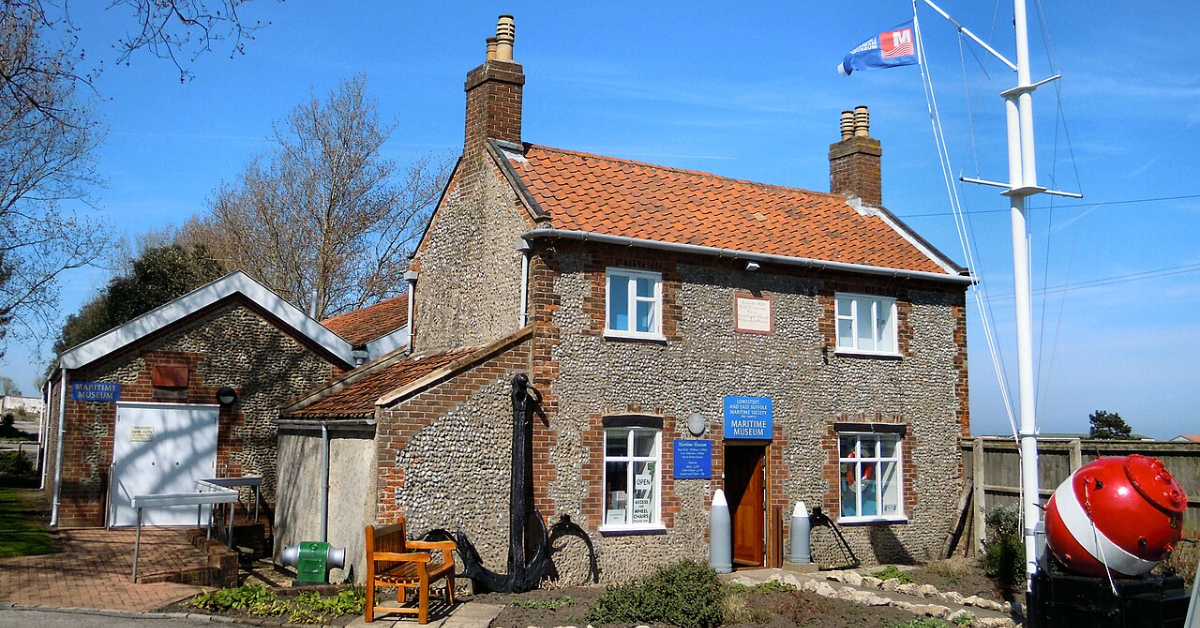
Lowestoft Maritime Museum
Close to the North Sea in Lowestoft’s lovely Sparrow’s Nest Gardens, Lowestoft Maritime Museum offers a fascinating few hours of enjoyment and discovery for all ages. Discover displays about the town’s fascinating maritime history, including models, artefacts and archive films all about the port of Lowestoft. With hands-on activities suitable for children and one off events during the peak seasons, there’s plenty to see and do.
Aldeburgh
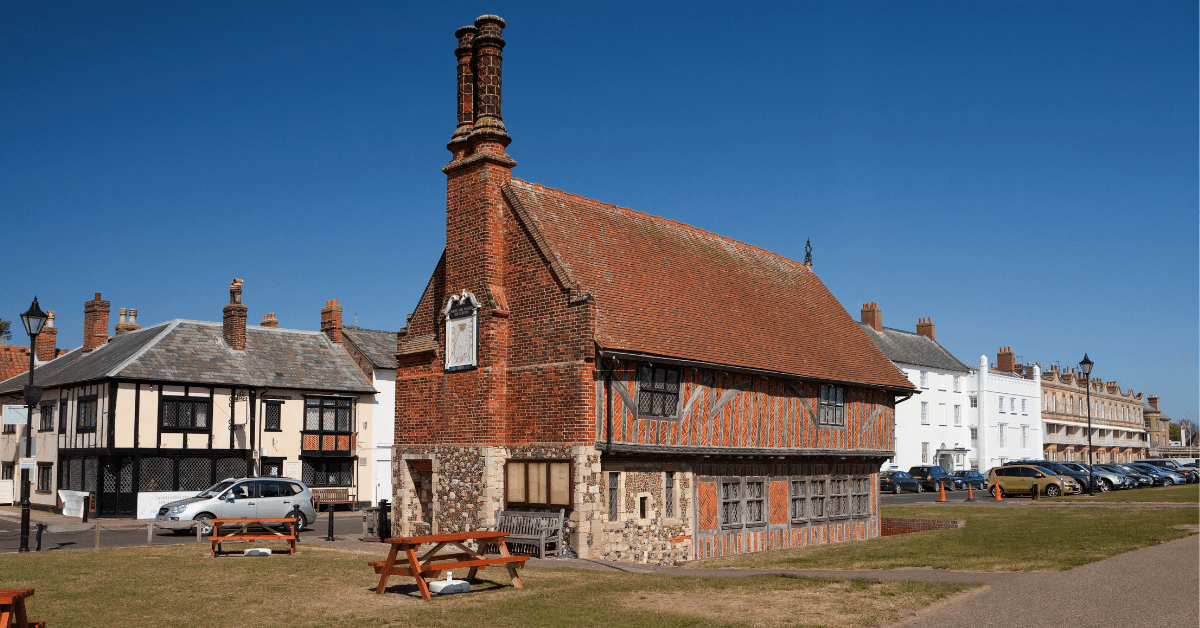
Aldeburgh Museum
The Aldeburgh Museum is housed in the Moot Hall, one of the best-preserved Tudor public buildings in Britain. The Aldeburgh Museum showcases the rich history of this vibrant seaside community. Visitors can explore the town’s evolution from the Roman settlement at Barber’s Point to the present day. The museum displays a diverse collection of local artefacts and photographs, providing a glimpse into Aldeburgh’s colourful past.
Woodbridge
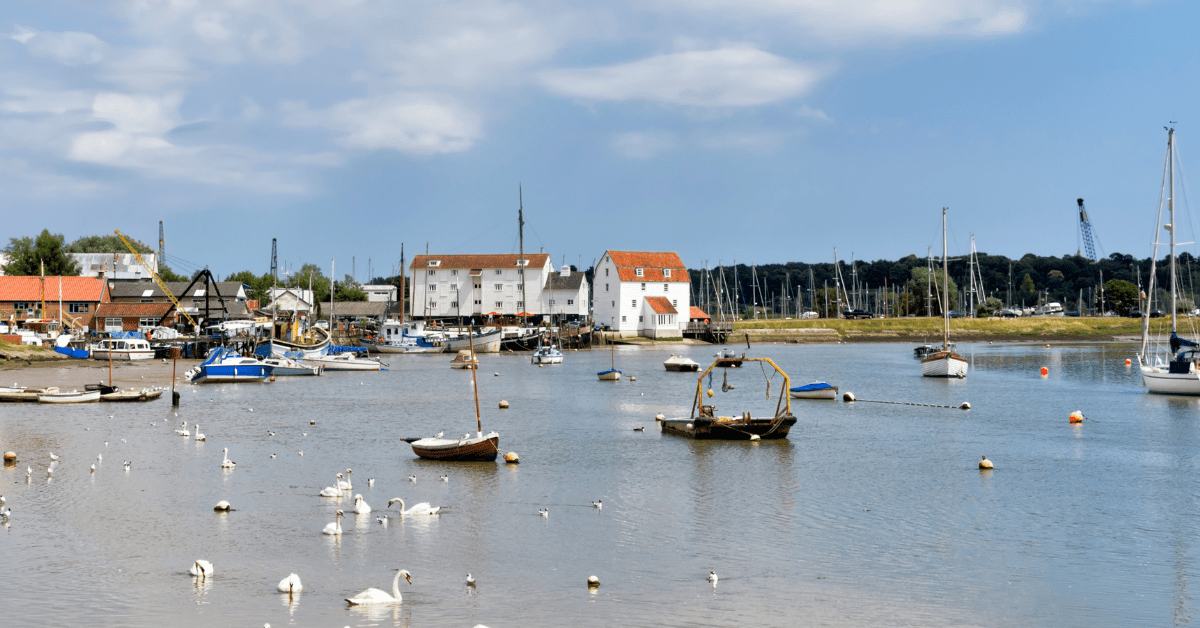
Woodbridge Tide Mill
The Woodbridge Tide Mill stands as a captivating piece of Suffolk’s history, one of only two tide mills still producing wholemeal flour in the country. The earliest record of a tide mill by the River Deben dates back to 1170, chronicling a rich historical narrative of its ownership over the centuries. When visiting the Tide Mill, guests can take a guided tour, observe the turning wheels and stones, and witness the milling process in action.
